7 Steps to Planning the Outdoor Space of Your Dreams

As the days grow longer and summer begins to settle in, many of us start dreaming about spending more time outdoors. There’s something special about opening the door on a warm evening, feeling the breeze move through the trees, listening to birdsong in the distance, and enjoying the fresh air after a long Pacific Northwest winter.
In the Greater Eastside of Seattle, outdoor living comes with its own unique rhythm. We appreciate the sunny stretches when they arrive, but we also know how quickly the weather can shift from bright sunshine to rain. That’s why careful planning is so important when creating an outdoor space — especially in a climate where flexibility, comfort, and durability matter year-round.
If your outdoor space doesn’t quite feel like the retreat you imagine, now is the perfect time to start planning. Design is a process, and before selecting furniture, decor, or accessories, it’s important to think through how you envision the space will truly be used.
1. Determine How You Want to Use the Space
The very first step in creating an outdoor space is thinking about how you want to use it. The way you plan to spend time outdoors should guide every design decision, from layout and furnishings to lighting and finishing touches. A thoughtfully designed outdoor space should feel like a natural extension of your home and support the moments that matter most to you. Here are some activities you might want to enjoy in your outdoor space:
Relaxing, reading, or afternoon naps
Outdoor games and family activities
Spending time with children or pets
Cocktail hour and casual conversation
Outdoor dining — intimate meals or larger gatherings
Entertaining friends and family
Bird watching or connecting with nature
Patio gardening
Outdoor cooking and grilling
Watching TV or enjoying movie nights outdoors
The more ways you hope to use your outdoor space, the more important a considered layout and functional design become. Creating designated areas for different activities can help the space feel comfortable, welcoming, and easy to enjoy every day. If you’d like guidance in bringing your vision together, we’d be delighted to help create an outdoor space that feels both beautiful and perfectly suited to your lifestyle through our design services.
2. Plan The Perfect Orientation
When planning an outdoor living space, it’s helpful to pay close attention to how the sun moves across the area throughout the seasons you expect to use it most. Notice which spots receive full sun, partial shade, or cooling afternoon cover at different times of day. The angle and intensity of sunlight can shift dramatically between spring, midsummer, and early fall, so understanding those patterns will help you create spaces that feel comfortable and inviting all season long. It’s also worth considering where breezes tend to flow and which areas may become especially warm during the hottest parts of the day.
Beyond comfort, think about the natural beauty surrounding your space. Take note of where you can enjoy sunrise coffee or evening sunsets, and which seating angles provide the most peaceful views of trees, gardens, water, or surrounding landscapes. At the same time, it’s important to consider practical surroundings as well. Certain areas may pick up more traffic noise, neighboring sounds, or insects than others, and being mindful of those details early on can help shape a more enjoyable outdoor experience.
3. Consider Your On and Off-Season Weather Conditions
There are many important environmental details to consider when designing an outdoor space so it remains comfortable and functional through all seasons. Beyond temperature, it’s helpful to think about how your space will handle rainfall, wind, and snowy or icy seasons. If you’re selecting hardscape flooring, consider how the surface will feel and perform when wet, as well as how it will hold up during winter months.
If you live in a rainy climate, it’s also important to think about drainage and rainwater management when selecting hardscaping materials. Permeable surfaces allow water to naturally soak back into the ground, while impermeable surfaces can create runoff. Depending on your local municipality, there may be limits on how much of your property can be covered with non-permeable materials such as concrete. Since your home and driveway already contribute to that coverage, it’s a good idea to check with your local building department before adding additional hardscaping. Options like stone or brick pavers with spacing between them, or wood decking with gaps between boards, can offer an attractive solution while allowing rainwater to filter naturally into the soil below.
Careful selection of finishing details can also make your outdoor space feel more polished. Patio planters should be sturdy and substantial enough to stay secure during strong winds, and plants should always be selected with their sunlight needs in mind to help them thrive in their intended location. If you choose to incorporate faux plants, selecting varieties that naturally suit your region can help them blend seamlessly into the landscape. The goal is to enjoy the ease and beauty they provide while maintaining a look that feels authentic and inviting.
4. Choose Furniture for Function & Durability
The way you want your outdoor space to function will naturally influence decisions about furniture placement, finishes, and materials. If gathering and entertaining are priorities, arranging furniture in a way that encourages conversation is key. Seating pieces that face one another and are spaced comfortably close together create a more welcoming atmosphere where guests can easily relax and connect.
For outdoor dining spaces, planning seating capacity can help determine the right table size for your needs. As a general guide, a six-foot rectangular dining table comfortably seats about six people, while an eight-foot table can accommodate around eight. A 48-inch round table typically seats four to five guests, while a 60-inch round table works well for six to eight people, depending on chair size and spacing.
Weather conditions should also play a major role when selecting outdoor furniture finishes and materials. Durable options such as teak, all-weather wicker, and powder-coated aluminum are popular choices because they hold up beautifully to changing outdoor conditions. While many outdoor fabrics today are designed to resist fading, moisture, and mildew, spaces exposed to intense sun or frequent rain will benefit greatly from high-quality furniture covers or furnishings designed with minimal fabric components.
As you arrange your outdoor furnishings, try positioning seating areas to take advantage of the most beautiful views in your landscape. Consider how the setup feels not only from the patio or deck itself, but also from inside your home looking outward. For example, while a large umbrella may provide welcome shade outdoors, it’s worth considering whether it blocks a sunset view or interrupts sight lines from interior living spaces. Strategic placement helps create an outdoor environment that feels both beautiful and seamlessly connected to the home itself.
5. Utilize Lighting for Ambiance and Atmosphere
If you plan to enjoy your outdoor spaces after sunset, effective lighting can make all the difference. Outdoor lighting helps create a warm, inviting atmosphere while also making the space more functional and comfortable in the evening hours. This might include permanently installed fixtures such as ceiling lights beneath a covered porch or pergola, wall sconces near entryways, or existing spotlights tucked under the eaves of your home.
As you plan your lighting, it’s helpful to think about both the gathering area itself and the pathways leading from your home to the outdoor space. Soft, well-placed lighting can make these transitions feel safer, more welcoming, and beautifully connected.

String lights add a delicate twinkle to hammocks hung along a footpath in our Tiger Mountain project.
There are many flexible lighting options to consider as well. String lights, for example, are an easy and affordable way to add warmth and charm to a pergola, canopy, or covered patio. Available in a variety of styles and tones, they can instantly create a cozy ambiance. Another increasingly popular option is rechargeable portable lighting. These cordless lamps and lanterns offer a flexible way to add ambiance to outdoor dining tables, seating areas, and patios without the need for wiring or outlets. If your outdoor space includes an overhead structure, a ceiling fan with built-in lighting can add both comfort and functionality by providing a gentle breeze while helping keep insects at bay.
When selecting outdoor lighting, it’s important to choose fixtures specifically rated for exterior use. Hard-wired 120-volt lighting should always be installed by a licensed electrician, particularly if wiring needs to extend away from the home. Low-voltage options are often simpler to install and include transformers that safely reduce the electrical current. Solar-powered lighting is another easy and attractive solution, requiring no wiring at all. These fixtures collect energy from the sun during the day and provide a soft glow after dark, making them ideal for pathways, gardens, and landscape accents.
Beyond functionality, outdoor lighting adds beauty and atmosphere to your home. Well-placed fixtures can highlight landscaping, architectural details, or favorite garden features while creating a lovely view from indoors looking out. Accent lighting on ornamental trees, shrubs, or pathways can bring warmth and dimension to your outdoor spaces and enhance your home’s evening ambiance year-round.
6. Consider How The Exterior Connects to the Interior
When designing your outdoor living space, it’s worth thinking about how it connects to the entry points of your home. If children, pets, or guests will be spending time outside, consider ways to help keep dirt, mud, and moisture from being tracked indoors. During the winter months, it’s also helpful to plan for coats, boots, gloves, and snowy gear, as well as a comfortable spot for pets to come in with wet or muddy paws.
We often recommend creating thoughtful drop zones near entrances to catch wet towels, shoes, pool bags, snow gear, and other outdoor essentials. These small, practical spaces can go a long way in helping protect and maintain your indoor environment while making everyday routines feel easier and more organized.
In existing homes, simple solutions like durable, washable rugs in darker tones inside the door, paired with outdoor mats, can make a big difference. If you’re planning ahead during new construction or a renovation, features such as covered entries or porticos can provide added protection from the elements and make seasonal transitions much more comfortable for both people and pets.

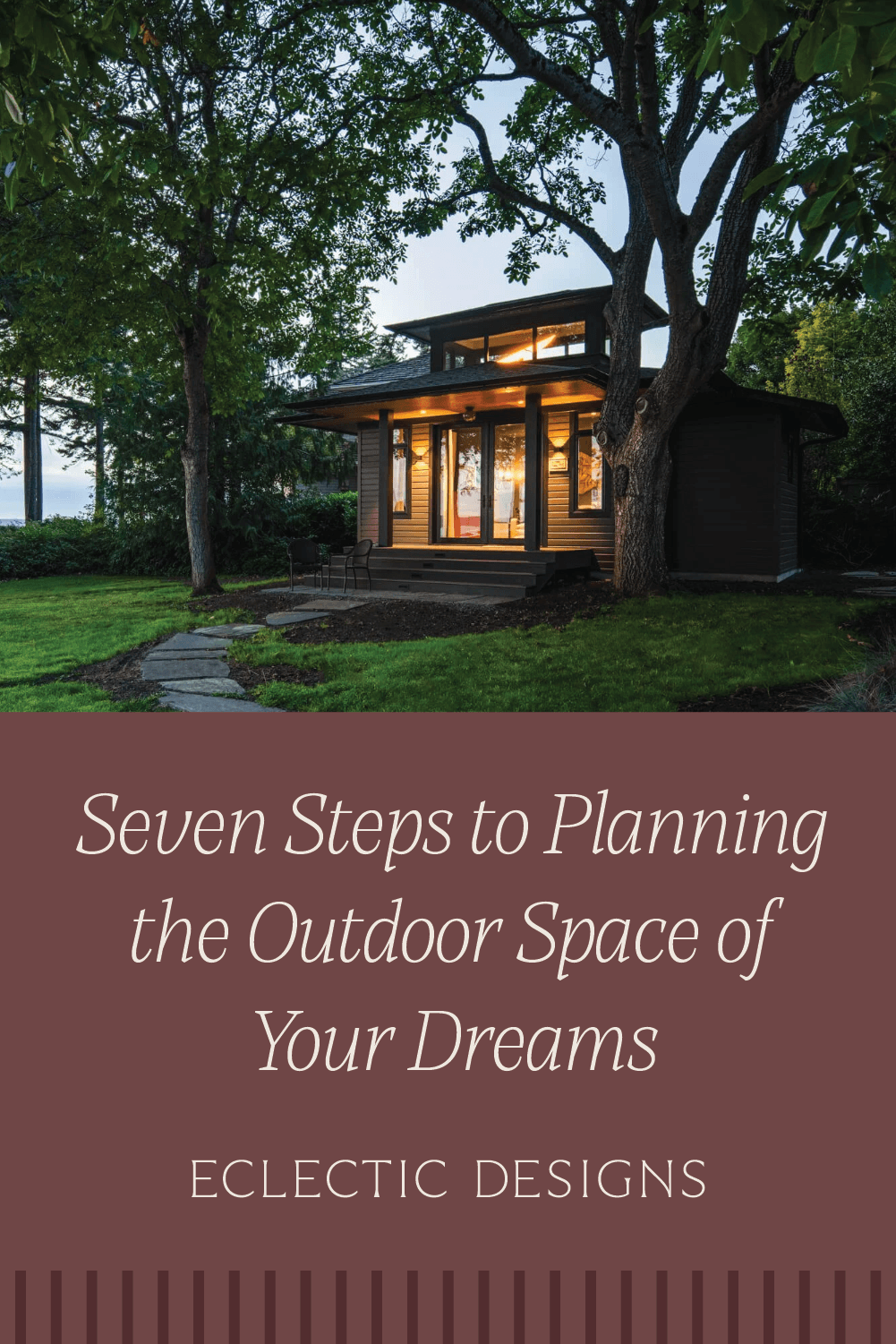
A separate yoga studio was incorporated into our Kollutchen project, creating a personalized retreat for the homeowners to enjoy as part of their outdoor space.
7. Personalize with Special Outdoor Amenities
If you want to truly make the most of your outdoor living space beyond the basic furnishings, consider including amenities that help support your lifestyle and the way you love to spend time outdoors. If you enjoy hosting, additions such as a grill, outdoor kitchen, bar area, heater, and fire pit, can transform a simple outdoor space into a comfortable extension of your home that welcomes guests to gather.
For some homeowners, creating spaces that support wellness and relaxation is equally important. Our recent Kollutchen project included a separate outdoor yoga studio nestled within their landscape; a peaceful retreat surrounded by nature where they could begin and end their day with movement, mindfulness, and quiet reflection. Features like this can make an outdoor space feel deeply personal and uniquely tailored to the rhythms of everyday life.
Whether your ideal outdoor environment centers around entertaining, cooking, relaxing, or wellness, planning to incorporate amenities that reflect your lifestyle can help create a space that feels both beautiful and truly meaningful to spend time in.